Klimt, Schiele, Kokoschka and the Body in Contemporary Art

A cura di Elisabetta Barisoni

The successful exhibition programme conceived by the Fondazione Musei Civici di Venezia for Mestre continues in the new spaces of MUVEC.
Following the success of Kandinsky and the Avant-Garde in 2022, Chagall and the Colour of Dreams in 2023, Matisse and the Light of the Mediterranean in 2024 and Munch and the Expressionist Revolution in 2025, the new chapter once again draws on the rich civic collections of the International Gallery of Modern Art at Ca’ Pesaro.

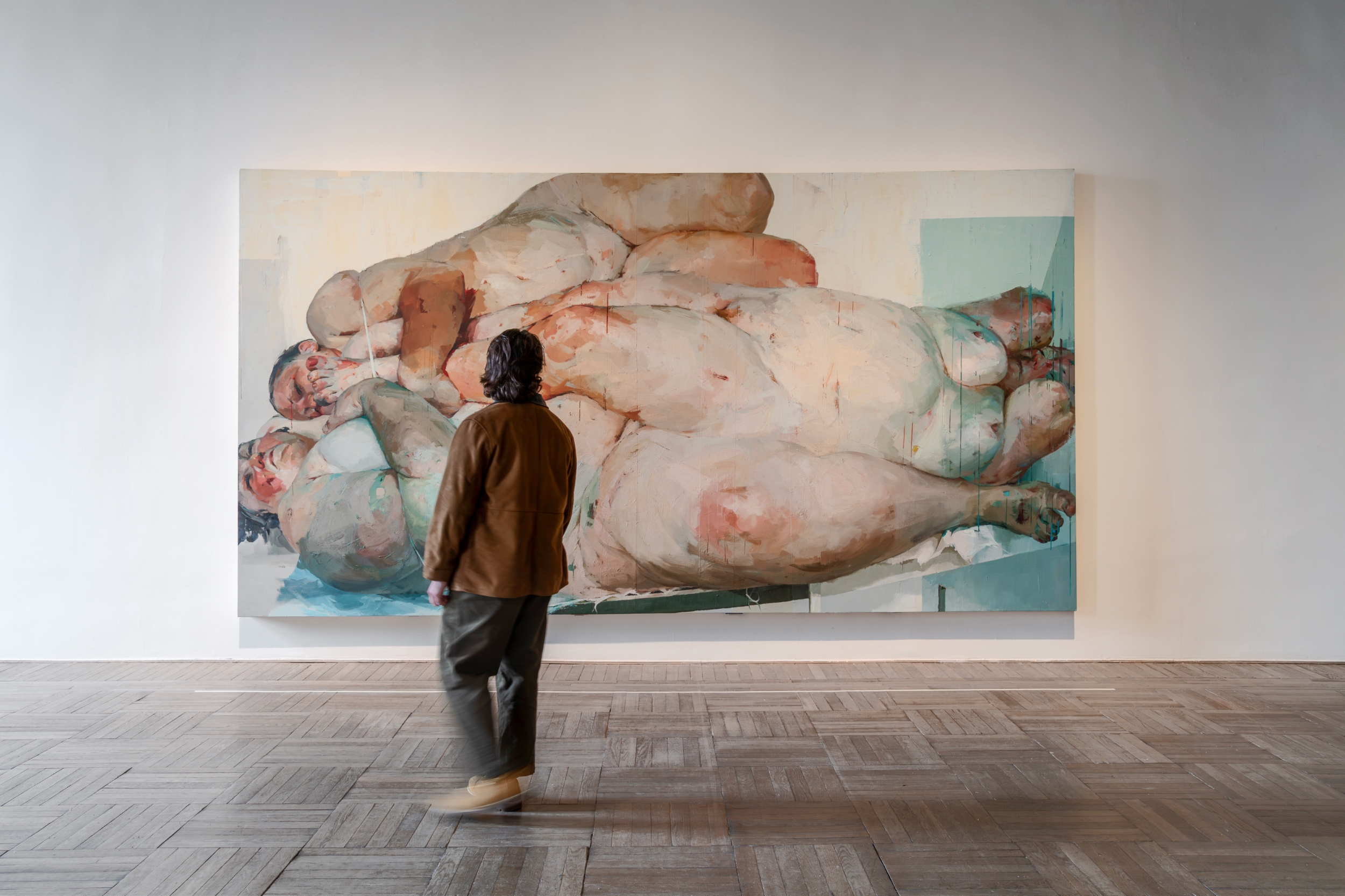
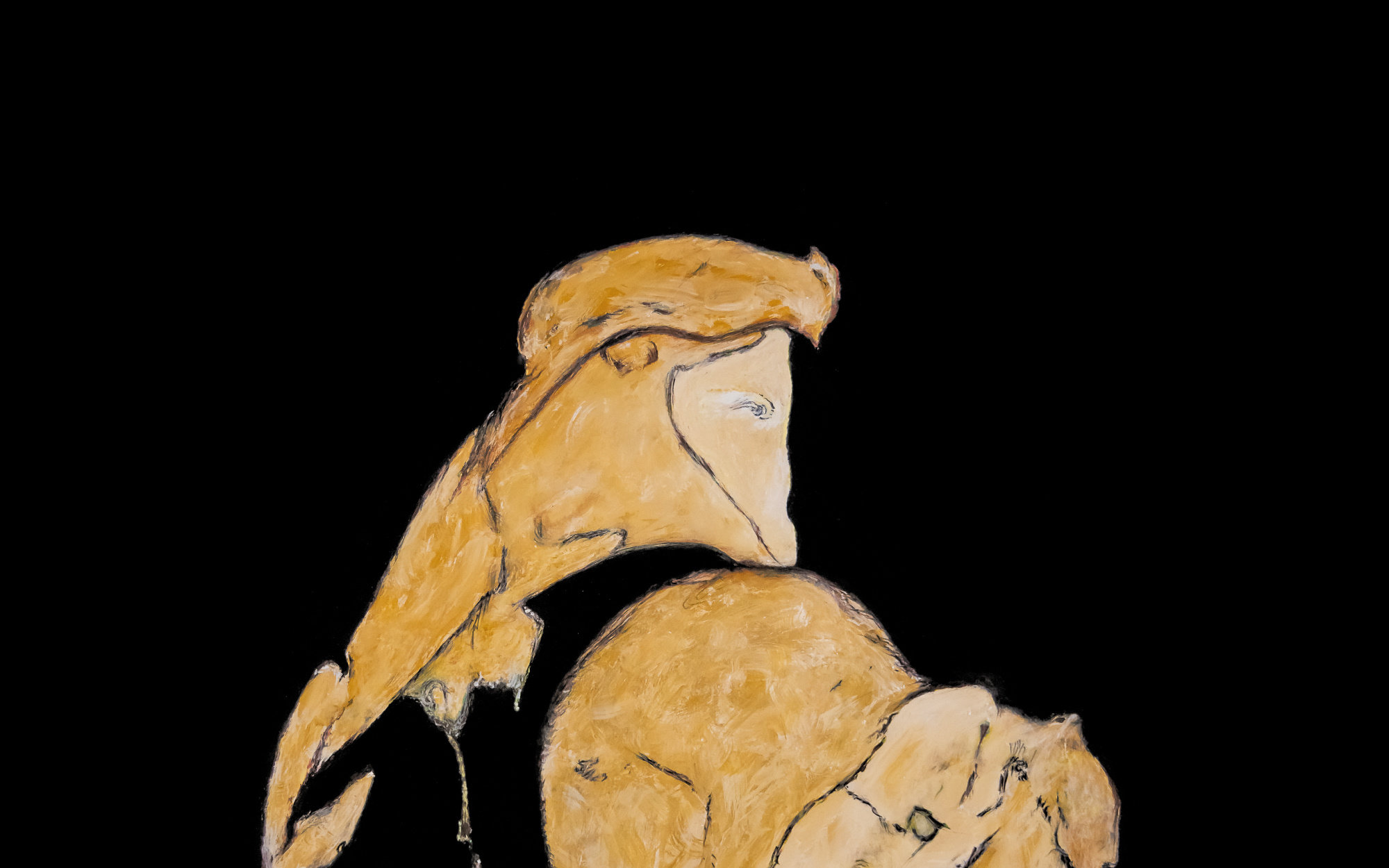
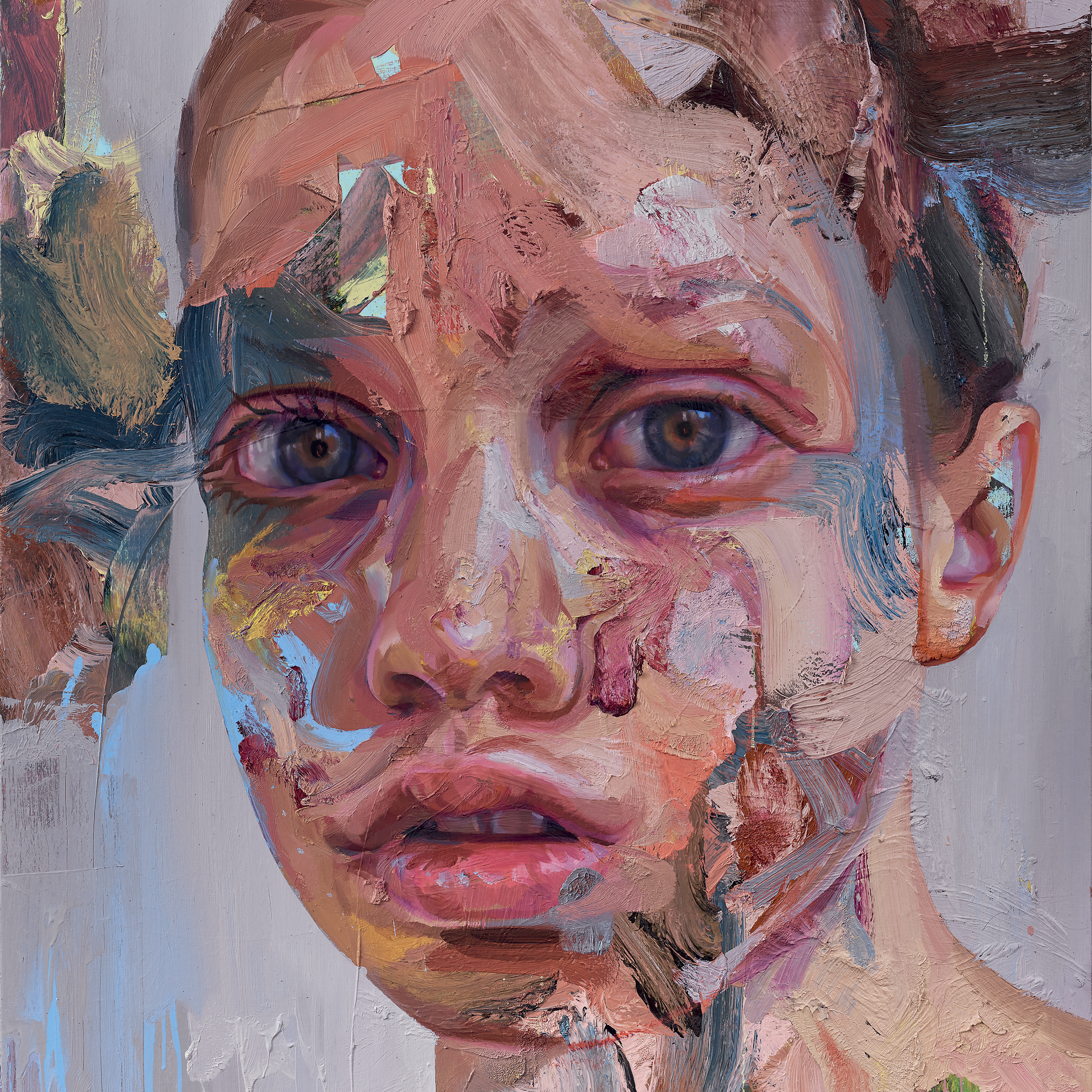
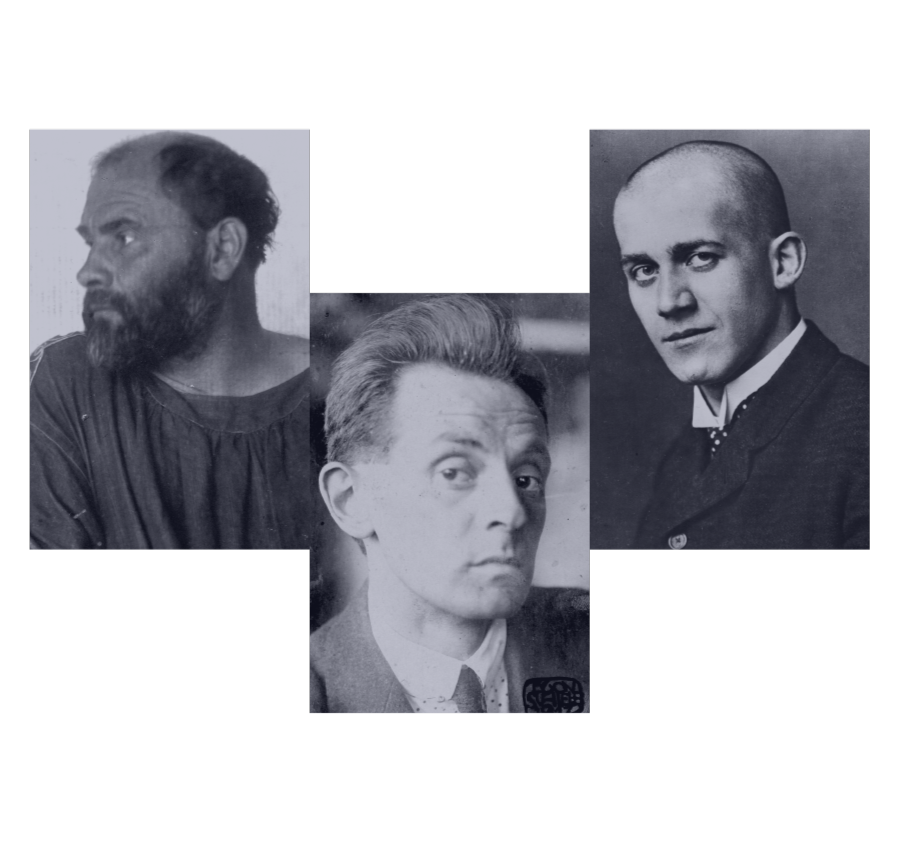
The exhibition focuses on the protagonists of the Viennese Secession – Gustav Klimt, Egon Schiele and Oskar Kokoschka – and on their ability to explore the human soul through the body, portrayed in a direct, at times brutal and unsettling way.

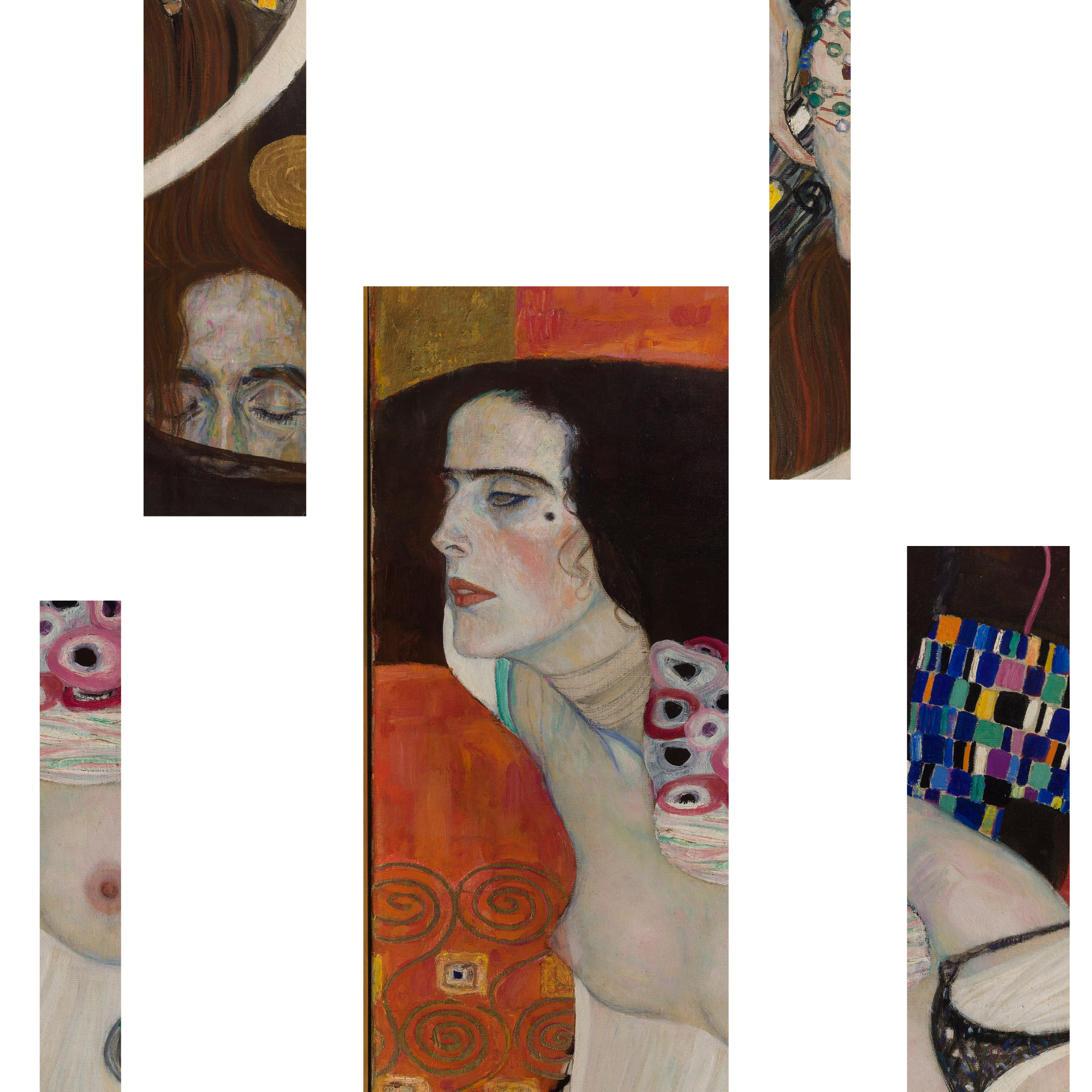
The body, rendered in a highly personal style, takes centre stage in Gustav Klimt’s nudes: refined, seductive and restless figures that embody the early 20th-century reflections on art, psychology and literature.
In the works of Egon Schiele, the emaciated bodies of men and women, almost transformed into dehumanised mannequins, become the focus of a powerful exploration of the human condition, revealing the artist’s strong connection with the emerging field of psychoanalysis.

The two great masters of the Viennese Secession are joined by the visionary genius of Oskar Kokoschka, whose vibrant, expressionist painting conveys the anxieties of an era standing on the threshold of the First World War.

The theme of the body as representation and symbol, connected to both flesh and psyche, does not fade away, but returns with renewed force in the period between the two World Wars, caught between censorship and vibrant expressions of freedom, before once again becoming central to contemporary thought.

A common thread connects the philosophy, psychoanalysis, anthropology, literature and visual arts that developed in Austria, and particularly in Vienna, in the early 20th century – that city Karl Kraus described as a “laboratory for the end of the world” – to the revolutions of the 1960s and 1970s, which laid the foundations for the present day.
Art of rupture and protest, from Nouveau Réalisme and Conceptual Art to Body Art and performance, reclaimed the centrality of the body, drawing new inspiration from the brilliant yet tragic legacy of fin-de-siècle Vienna.

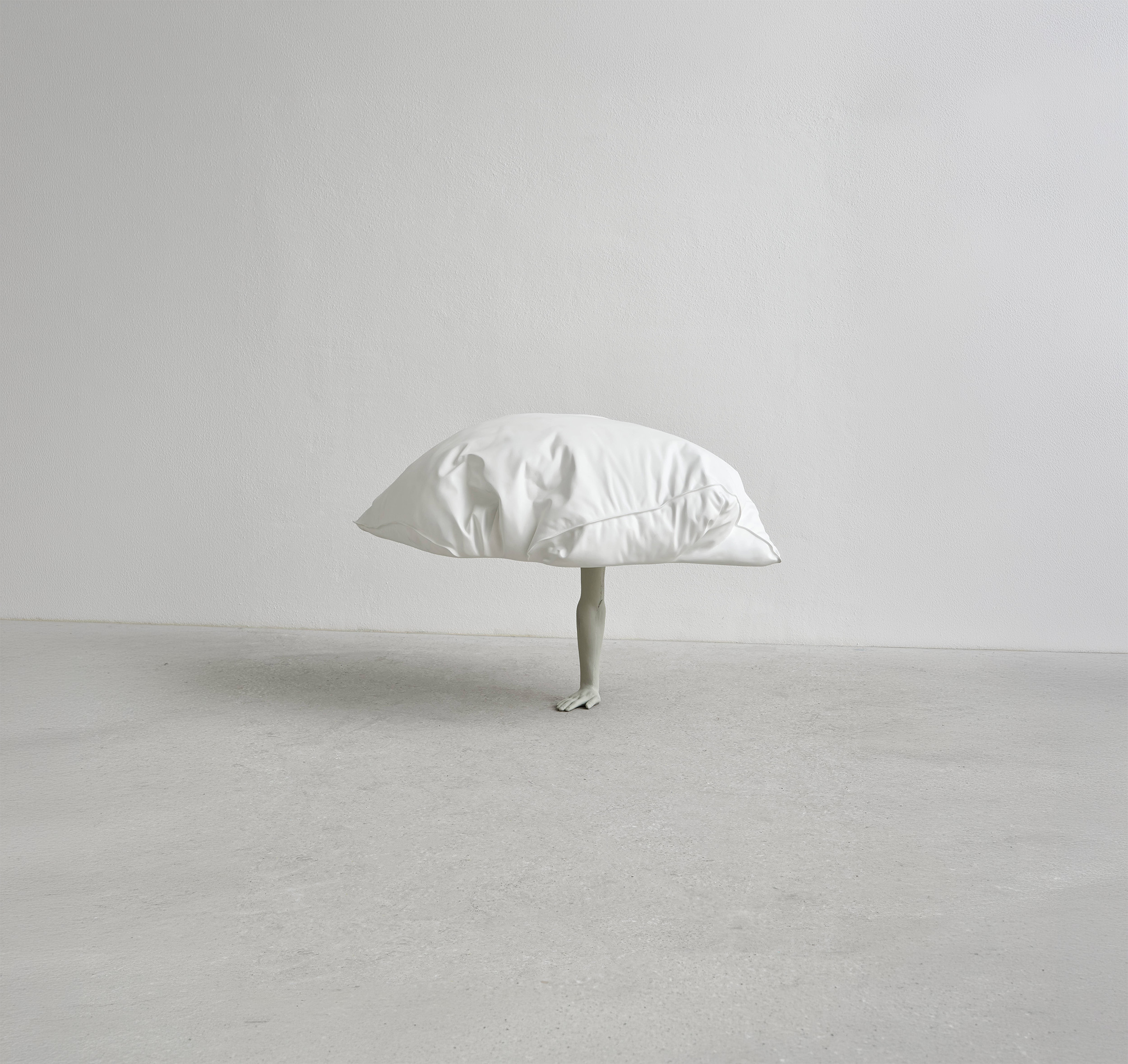
In contemporary art, the body emerges as the ultimate battlefield: from Piero Manzoni’s ironic Living Sculptures to Yves Klein’s mystical Anthropometries.
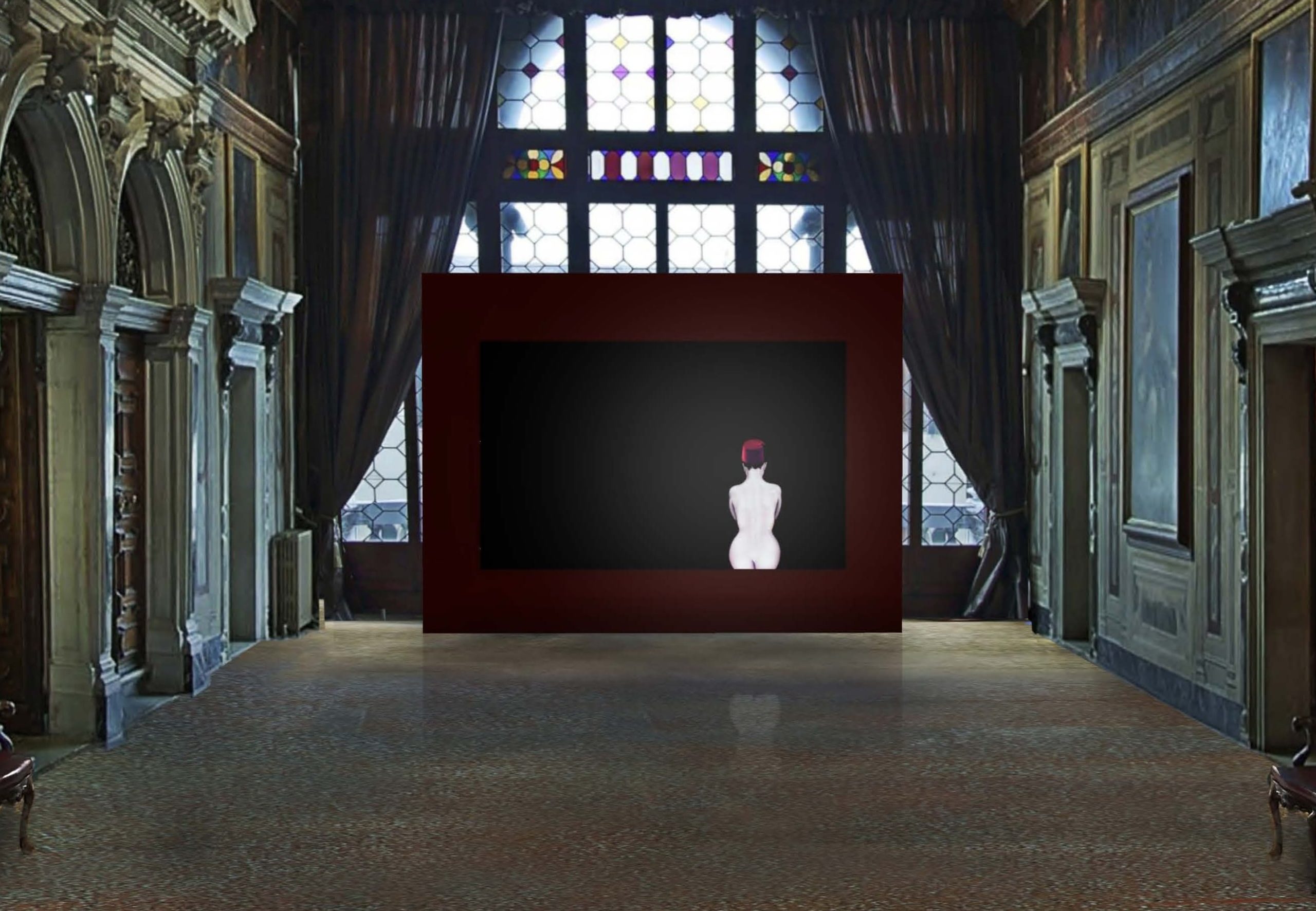
The body becomes both an instrument of art and a political message in the works of brilliant interpreters of Body Art such as Ana Mendieta and Gina Pane. Skin, flesh, sex, and physicality become the perfect means to express new anxieties – both collective, such as the struggle against social conformism, and individual, driven by the aching desire to be seen and to be loved.

A concept already articulated by Lea Vergine in 1974:
“At the basis of Body Art […] one can discover the unsatisfied need for a love that extends itself without limit in time – the need to be loved for what one is and for what one wants to be – […] the need for what is called primary love. This is what gives this art its dimension of inevitable delusion and failure. This unobtained love is what transforms itself into the aggressivity that is typical of all of these actions, events, photo-sequences and performances.”


Admission to the exhibition with the Museum’s hours and ticket.